Rainforest Wildlife Trends 2026
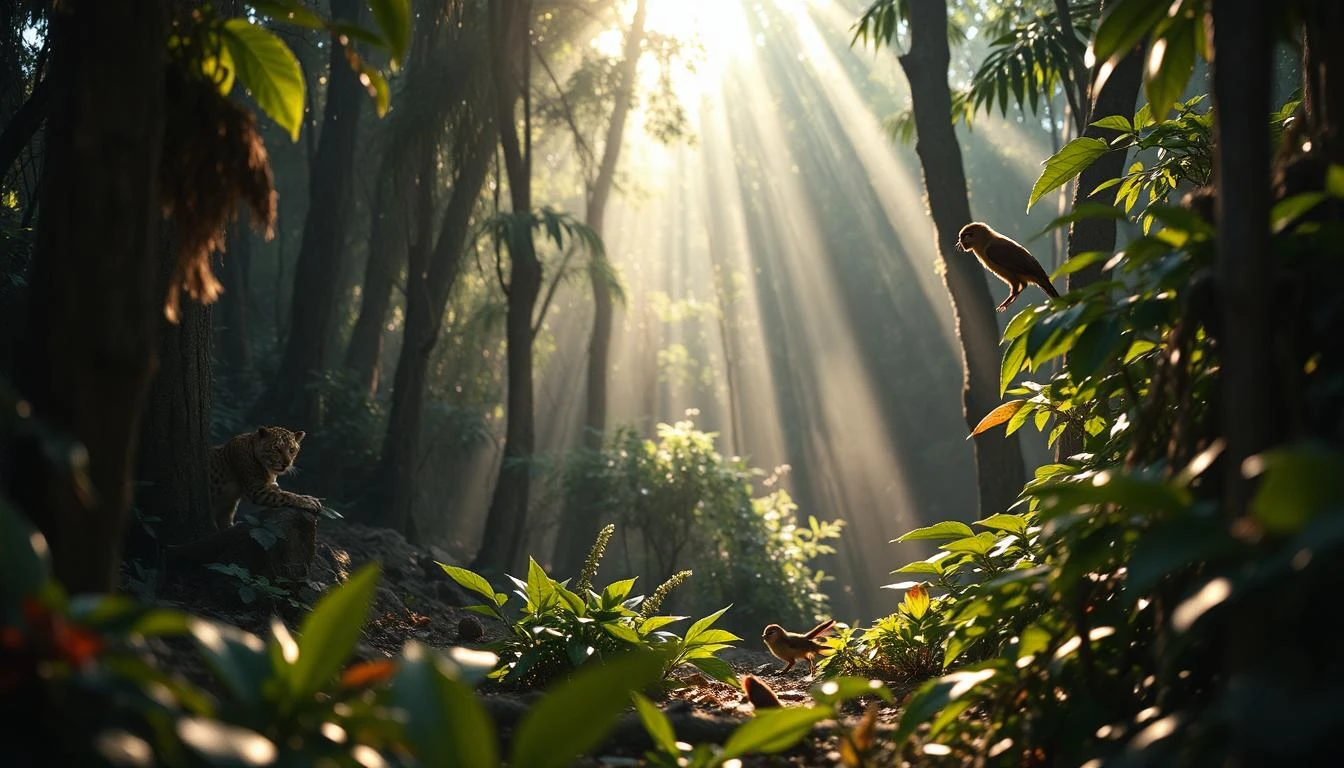
Rainforests are no longer silent green kingdoms hidden from change. They are active, breathing systems responding to global pressure in real time, where every shift in temperature, rainfall, and human activity rewrites survival rules. What once felt timeless is now accelerating into a new ecological era, demanding closer attention and sharper understanding.
Across continents, researchers are witnessing a dramatic reconfiguration of life inside tropical ecosystems. These transformations are not isolated events but interconnected signals of a planet under stress. In this unfolding narrative, jungle wildlife trends become a key lens to understand how nature adapts, resists, and sometimes collapses under modern environmental pressure.
Emerging jungle wildlife trends in 2026
The year 2026 marks a turning point in how scientists interpret rainforest ecosystems. Wildlife behavior is no longer predictable based on historical patterns, and ecosystems are responding to climate variability in unexpected ways. This section opens a deeper look into how living systems are adapting under pressure.
Rainforest ecosystems are becoming increasingly dynamic, with species redistribution and behavioral shifts occurring faster than ecological models can predict. These changes highlight the urgency of understanding jungle wildlife trends as a core framework for conservation science.
rainforest animals conservation biodiversity is now a critical global focus, as scientists observe declining population stability in key indicator species across tropical regions.
Shifts in species migration due to climate change
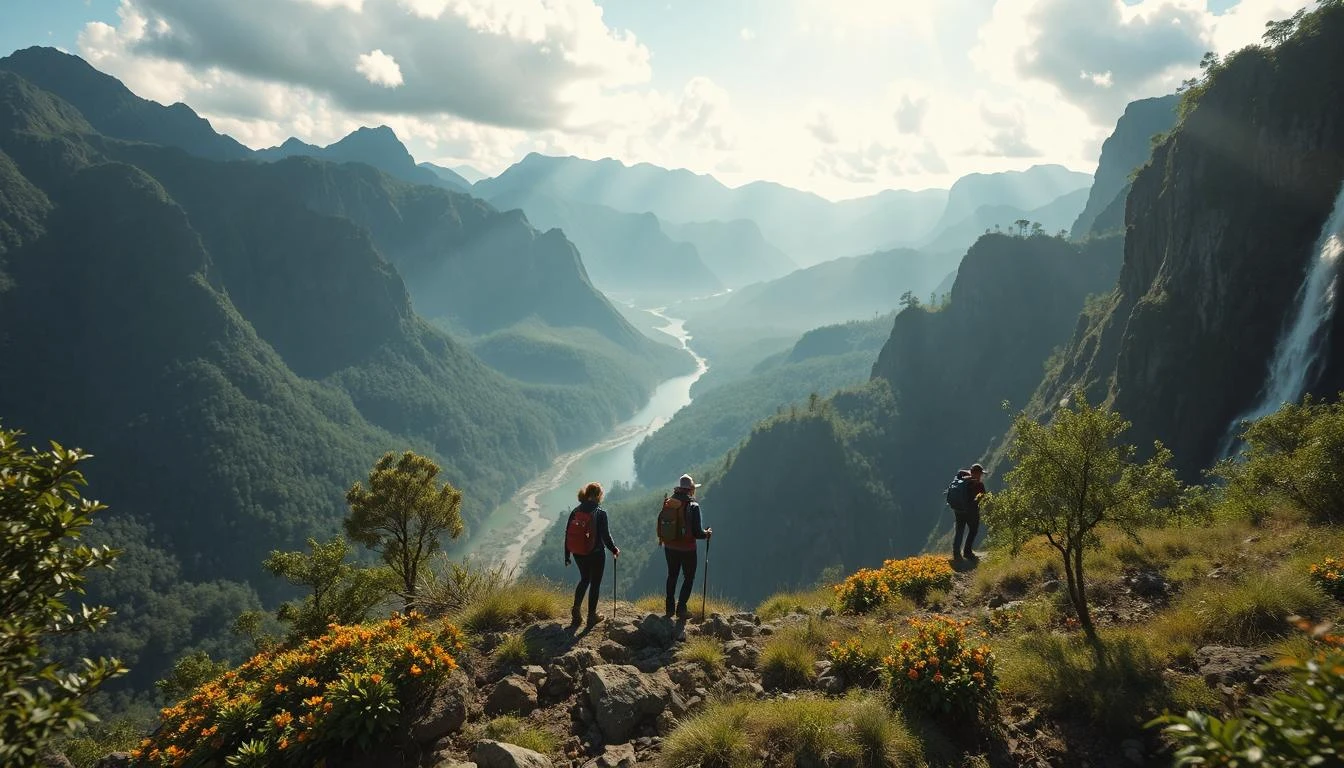
Climate change is pushing rainforest species beyond their traditional boundaries. Animals are moving toward cooler altitudes or denser canopy zones, altering predator-prey interactions and disrupting long-established ecological hierarchies. According to Dr. Elena Marquez, a tropical ecologist at the Global Biodiversity Institute, “We are witnessing migration patterns that rewrite ecological maps within a single generation.”
Discovery of new and rare rainforest species
New discoveries continue to emerge from deep canopy explorations and genetic sequencing technologies. These findings expand scientific understanding of biodiversity complexity and reinforce how little of the rainforest has truly been documented. Many of these species exist in extremely narrow ecological niches, making them highly vulnerable to disturbance.
Impact of deforestation on wildlife behavior
Deforestation fragments habitats and forces wildlife into smaller, more competitive zones. Animals are adjusting their feeding cycles, breeding patterns, and territorial behavior in response to shrinking ecosystems. These adaptations reveal both resilience and ecological distress unfolding simultaneously.
Conservation and Protection Efforts
Modern conservation strategies are evolving rapidly in response to accelerating environmental change. Protecting rainforest ecosystems now requires a combination of technology, community engagement, and global cooperation. This section explores how these efforts are shaping the future of tropical biodiversity.
The fight to preserve ecosystems is no longer confined to protected reserves; it now extends into digital monitoring systems and international policy frameworks that track environmental degradation in real time.
rainforest animals conservation biodiversity plays a central role in shaping conservation priorities and global environmental agreements.
Modern anti poaching technologies
Advanced surveillance tools such as AI detection systems, thermal imaging, and smart sensor networks are transforming anti-poaching operations. These technologies allow authorities to respond faster and prevent illegal activities before they escalate into large-scale ecological damage.
Community based rainforest conservation programs
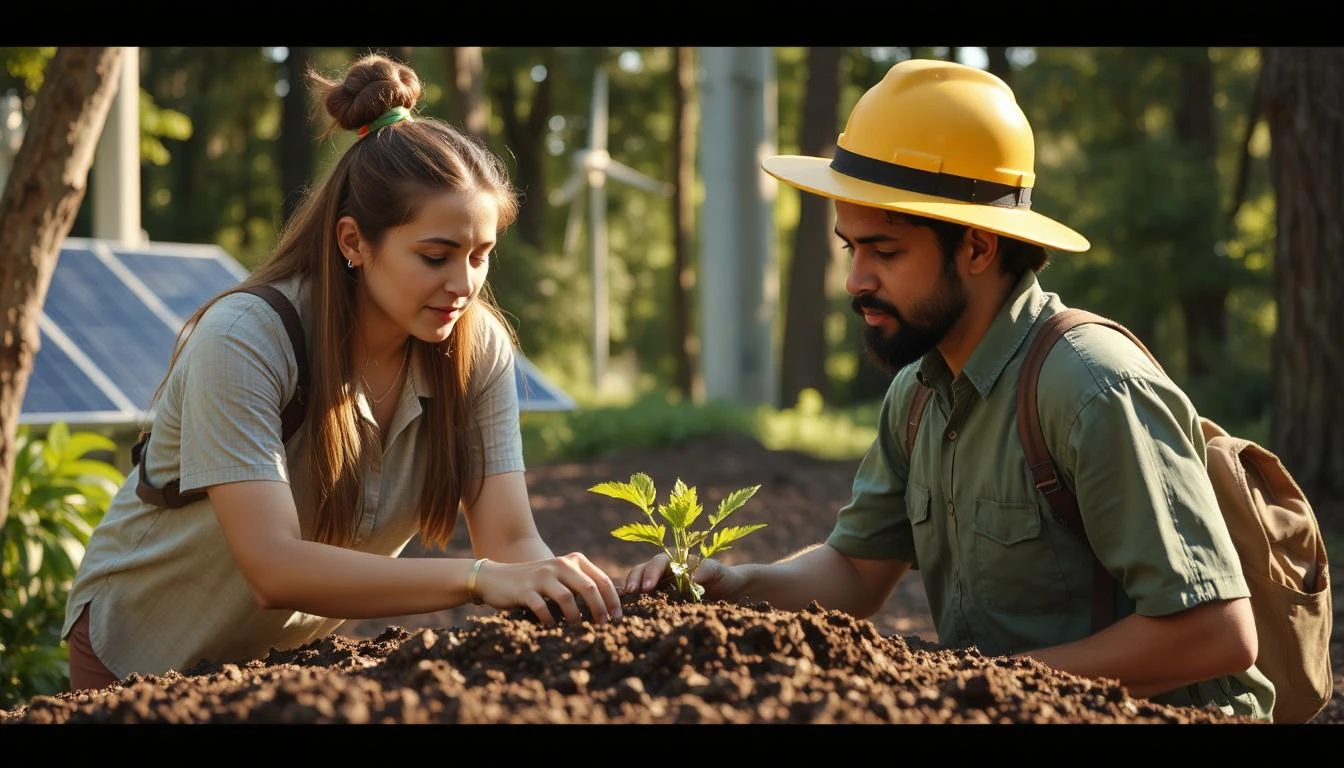
Local communities are increasingly recognized as essential guardians of rainforest ecosystems. Their traditional knowledge combined with modern conservation practices creates more sustainable and culturally grounded environmental protection models.
Role of global environmental organizations
International organizations are coordinating large-scale restoration efforts, funding reforestation projects, and supporting biodiversity research initiatives. Their role strengthens global accountability in preserving fragile ecosystems.
Technology in Wildlife Monitoring
Technology has become a powerful ally in understanding rainforest ecosystems. From artificial intelligence to satellite imaging, monitoring systems now provide continuous insight into ecological changes that were once invisible.
These innovations allow researchers to observe wildlife behavior without disturbing natural habitats, offering more accurate and ethical data collection methods.
jungle wildlife trends are now increasingly mapped through digital ecosystems that combine real-time data and predictive modeling.
AI powered wildlife tracking systems
Artificial intelligence processes massive datasets to identify animal movement patterns, population changes, and ecological risks. This helps conservationists make faster and more informed decisions regarding habitat protection.
Drone surveillance in deep forest areas
Drones equipped with advanced imaging systems provide access to previously unreachable rainforest zones. They capture high-resolution data that supports habitat mapping and biodiversity monitoring without disrupting wildlife activity.
Satellite mapping for habitat protection
Satellite technology enables large-scale observation of forest cover changes. These systems detect deforestation early and help governments implement preventive conservation strategies before irreversible damage occurs.
Explore and Support Rainforest Wildlife Conservation
Rainforests are not just ecological treasures; they are living systems that sustain global climate balance. Engaging with jungle wildlife trends helps build awareness of how deeply interconnected human activity is with natural survival systems. Conservation is no longer optional, it is a shared responsibility.
As Dr. Marcus Hill, environmental scientist at Earthwatch Alliance, states, “Protecting rainforests is not about saving a distant ecosystem; it is about preserving the stability of our own future.”
Understanding rainforest animals conservation biodiversity means recognizing that every small action contributes to a much larger ecological outcome. When awareness turns into participation, real change begins to take shape.
The transformation of rainforest ecosystems continues to accelerate, shaped by climate forces, technological advancement, and human impact. Observing jungle wildlife trends today is essentially reading the early signals of tomorrow’s ecological reality.