
Environmental Awareness Trends 2026
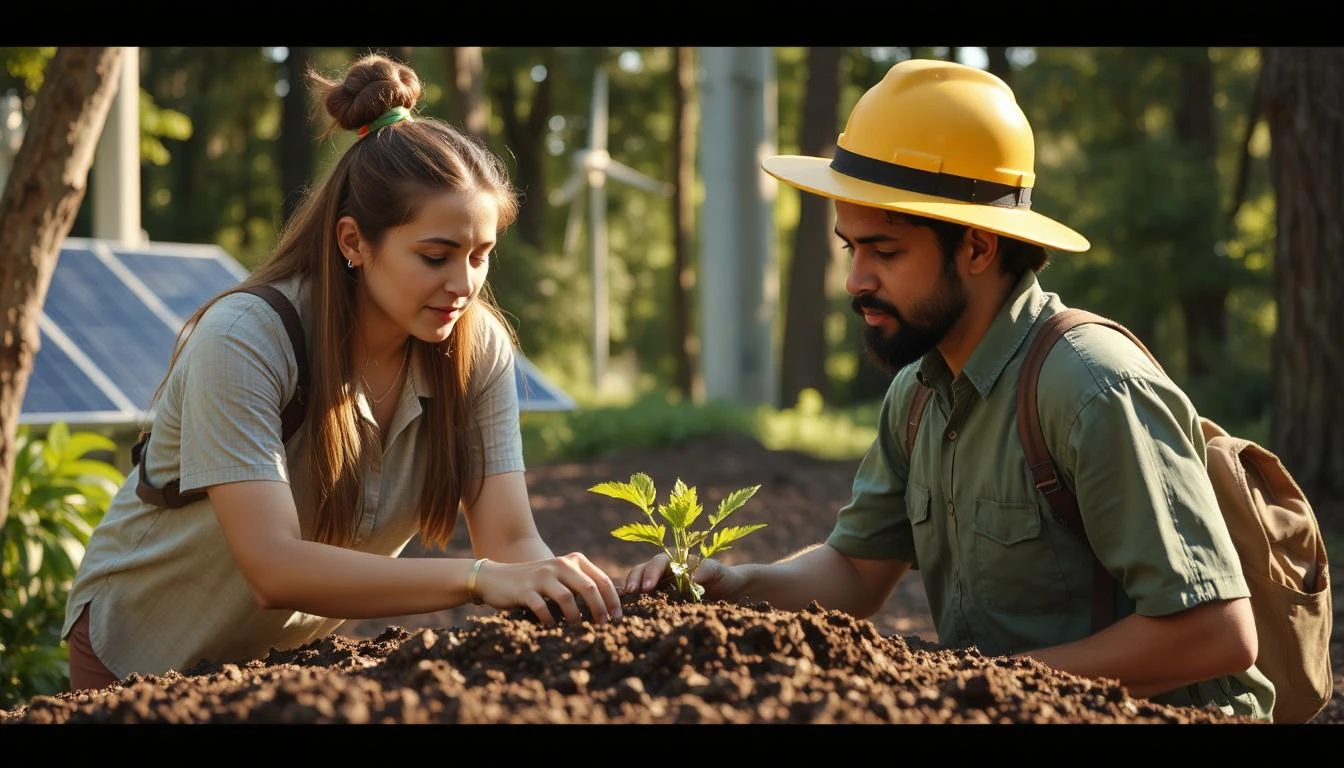
The global economy is entering a decisive turning point where environmental responsibility is no longer a side conversation but the core of strategic transformation. Consumers, governments, and corporations are beginning to rethink how value is created, measured, and sustained in a rapidly changing world. Every purchase, policy, and production decision is now quietly influenced by ecological consequences and long-term planetary health.
Modern digital ecosystems have intensified this shift, making sustainability visible, measurable, and socially amplified. Within this evolving landscape, climate awareness has become a defining force that shapes not only environmental discourse but also global marketplace behavior, consumer trust, and brand legitimacy.
Global Shift Toward Environmental Consciousness
Across continents, societies are undergoing a profound reorientation in how they perceive development and responsibility. Environmental consciousness is no longer confined to activism circles; it has entered boardrooms, classrooms, and digital platforms where decisions shape billions of dollars in economic activity.
This transformation is fueled by interconnected systems where information flows instantly and accountability is publicly visible. In this environment, environmental responsibility is not negotiated, it is expected.
The rise of eco campaigns sustainability education is accelerating this awareness, especially as governments and NGOs collaborate with digital platforms to distribute environmental knowledge at scale. These campaigns are reshaping how individuals interpret consumption, waste, and energy use in daily life.
A growing wave of environmental literacy is also being reinforced by influential voices. Climate scientist Dr. Elena Marquez notes, “Environmental awareness is no longer about awareness alone; it is about behavioral transformation at a global scale.” Her statement reflects how education is evolving into action-oriented learning.
Climate education in digital platforms
Digital platforms have become powerful engines for spreading sustainability knowledge. Interactive courses, climate dashboards, and gamified learning tools allow users to understand emissions, biodiversity loss, and renewable systems in real time. These tools make climate awareness accessible to anyone with a smartphone, bridging the gap between science and public understanding.
Youth driven environmental movements
Young activists are reshaping global priorities with unmatched speed and creativity. Their movements are decentralized yet highly coordinated through digital networks, allowing rapid mobilization around climate justice, policy reform, and corporate accountability.
Influence of social media activism
Social media platforms now act as environmental catalysts. Viral campaigns and sustainability challenges push millions into awareness and action simultaneously. Environmental sociologist Daniel R. Hughes observes, “Digital activism has compressed environmental response cycles from years into days,” highlighting the acceleration of public pressure on institutions.
Sustainable Lifestyle Adoption Trends
Everyday life is undergoing a subtle but powerful transformation as individuals begin aligning personal habits with environmental responsibility. Sustainability is no longer a niche identity, it is becoming a mainstream lifestyle expectation.
Consumers are increasingly questioning the lifecycle of products they use, from sourcing to disposal. This shift reflects a deeper integration of environmental values into personal decision-making.
The growth of eco campaigns sustainability education continues to reinforce behavioral change, especially in urban populations where consumption patterns are rapidly evolving.
Zero waste living practices
Zero waste lifestyles are gaining traction as individuals reduce dependency on single-use products. Reusability, composting, and mindful purchasing are becoming everyday norms rather than experimental habits. This movement strengthens climate awareness at the household level, turning global issues into personal responsibility.
Rise of plant based consumption habits
Dietary habits are shifting significantly as plant-based consumption becomes more mainstream. Beyond health benefits, consumers are motivated by reduced environmental impact, particularly lower greenhouse gas emissions associated with livestock production.
Eco friendly product innovation
Innovation is responding aggressively to consumer demand. From biodegradable packaging to carbon-neutral supply chains, companies are redesigning products with sustainability embedded from the start. These innovations reflect how deeply environmental expectations now influence market competitiveness.
Corporate and Government Green Initiatives
Institutions across the globe are no longer observing sustainability trends, they are actively engineering them. Governments are implementing policies, while corporations restructure operations to align with environmental targets.
The marketplace is now shaped by regulatory pressure, investor expectations, and consumer activism simultaneously, creating a high-stakes environment for transformation.
Carbon reduction strategies, renewable energy investments, and sustainable infrastructure development are becoming standard benchmarks for organizational credibility.
Carbon neutrality policies
Carbon neutrality has evolved into a global benchmark for economic legitimacy. Governments and corporations are committing to net-zero targets, integrating emissions tracking and offset mechanisms into core strategy.
Renewable energy expansion programs
Renewable energy adoption is accelerating across solar, wind, and hydro sectors. This transition is reducing dependency on fossil fuels while improving energy resilience and affordability in many regions.
Sustainable city development projects
Urban planning is shifting toward smart, eco-integrated cities. Green transportation systems, energy-efficient buildings, and waste reduction infrastructure are redefining modern urban life.
A report by United Nations environmental advisor James Caldwell emphasizes, “The future of cities will be determined by how effectively they integrate sustainability into their infrastructure today,” underscoring the urgency of systemic change.
Join the Movement for a Greener Future in 2026
The momentum of global transformation is undeniable. What was once considered environmental advocacy has now become an essential framework for economic survival and social stability. The world is no longer asking whether sustainability matters, it is asking how quickly it can be achieved.
At the heart of this transformation lies climate awareness, shaping decisions from individual consumption to international policy. The marketplace is evolving into a space where transparency, responsibility, and environmental intelligence define success.
As this shift continues, the most important question is not what the future will look like, but how actively each participant contributes to shaping it. Every action, no matter how small, becomes part of a larger global equation of change.